





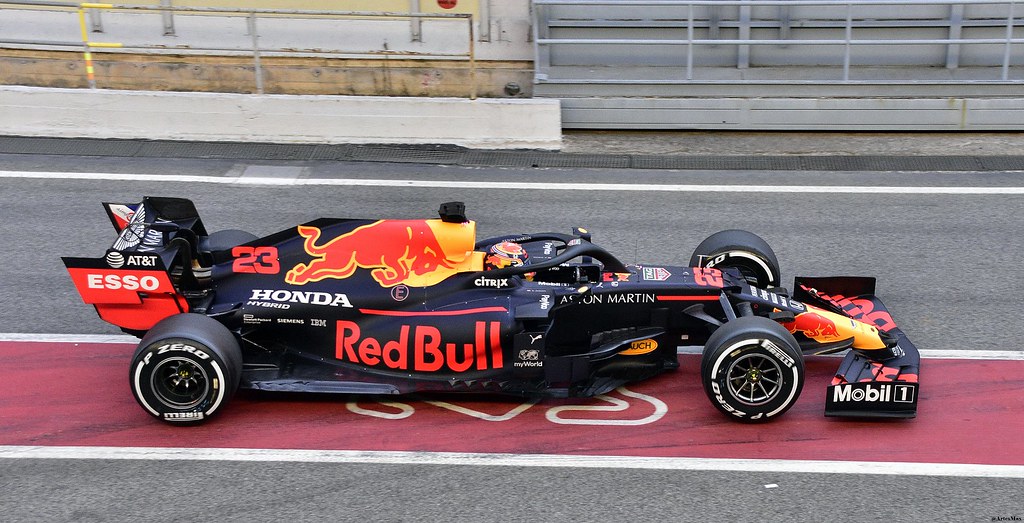






Honda’s Latest Power Unit Upgrade: A Significant Step Forward for Red Bull Racing
INTRO
Red Bull Racing recently rolled out a crucial update to their power unit, featuring enhancements designed to increase performance and reliability during critical race moments. As both a constructor and driver’s championship contender, this car upgrade is particularly significant for Red Bull, especially given their competitive context in the current season. In a sport where every hundredth of a second counts, understanding these developments is increasingly essential.
SECTION 1: Technical Details
The primary change to Red Bull’s car centers around its Honda power unit. The update includes refined combustion chamber design, improved turbocharging efficiency, and enhanced hybrid energy recovery systems. these updates allow for increased power delivery while maintaining a balanced engine profile. Red Bull’s engineering team has described it as a comprehensive enhancement aimed not just at outright speed but also at drivetrain durability.
In simple terms, the improvements revolve around optimizing the efficiency of air and fuel mixtures, allowing the engine to burn fuel more completely. Additionally, the refined turbocharger allows for quicker spool-up times, ensuring that drivers experience less turbo lag during acceleration phases. The team has also prioritized hybrid performance, which allows for better energy recovery under braking and a more robust deployment of electrical power during acceleration.
SECTION 2: Intended Performance Impact
The expected performance impact is multifaceted, with improvements focusing on handling balance, tire wear, and overall efficiency. Enhanced power delivery translates to improved acceleration out of corners, leading to better race pace and lap consistency. The refined turbocharger, allowing for a more responsive powerband, is also expected to aid in tire management—a critical aspect when considering race strategy, particularly on circuits with varied tire degradation profiles.
While Red Bull refrains from claiming specific lap time gains, they emphasize that the overall drivability and feel of the car have substantially improved. This means drivers could potentially push harder for longer periods without suffering from the severe tire wear that can plague teams when the power delivery is aggressive or overly harsh.
SECTION 3: Competitive Context
In the current season, Red Bull finds itself in intense competition with Mercedes and Ferrari, who have also been upgrading their power units and aerodynamics. Red Bull’s latest enhancement positions them to gain an edge, particularly in high-speed circuits where efficient power delivery is crucial. Notably, while Ferrari has focused on aerodynamic improvements, Mercedes is still trying to find the sweet spot between downforce and power. The balance that Red Bull now aims to achieve could prove pivotal as they head into the final races, where strategy and tire management will be key to outpacing their rivals.
In the current landscape, it’s important to recognize that simply adding horsepower isn’t enough. Teams must ensure that any upgrades consistently integrate with their chassis design and aerodynamics, making Red Bull’s recent power unit revisions a calculated risk that could pay dividends as they vie for championship glory.
SECTION 4: Season Implications
This development signifies a pivotal moment in Red Bull’s season, suggesting a continued commitment to refining their vehicle ahead of the final races. More than just this specific upgrade, the direction indicates that Red Bull is prioritizing reliability alongside performance—crucial as the team navigates the intricacies of varying track types and weather conditions. Efficiency in development means that they are likely allocating more resources toward comprehensive simulations and track data gathering.
The allocation of engineering resources towards enhancing the engine also suggests there might be less focus on other areas, such as aerodynamics in the immediate future. Thus, it would be wise for the team to strike a balance between pushing power unit updates and ensuring that other aspects of the car are not neglected.
SECTION 5: What to Watch Next
Looking ahead, the next series of races will provide a vivid testing ground for the effectiveness of this upgrade. The remaining calendar features tracks that require not only speed but also exceptional handling—making tire management strategies crucial. While Red Bull is optimistic about their upgrades, they still must validate the performance through thorough data analysis during practice sessions. This phase will determine how well the enhanced power unit integrates with the overall car dynamics.
As we approach these races, fans should keep an eye on the telemetry data released during practice sessions. Key indicators like power output curves, turbo spool times, and hybrid deployment will paint a clearer picture of whether this power unit upgrade translates into tangible performance benefits.
CONCLUSION
As the racing season progresses, Red Bull Racing’s latest power unit update puts them in a strong position for the upcoming challenges. Understanding the intricacies behind these car upgrades offers fans better insight into the complex world of Formula 1 technology.
Thoughtful Fan Question: With Red Bull’s focus on enhancing engine performance, how do you see this affecting their race strategy in the final races of the season? Will they rely more on raw power, or will tire management still play a crucial role?
