













Aston Martin’s New Development Strategy: A Game Changer in F1
INTRO
In a significant development for the ongoing Formula 1 season, Aston Martin has introduced a suite of technical upgrades that could reshape their competitive landscape. This update comes in the wake of their collaboration with renowned designer Adrian Newey, currently associated with Red Bull Racing. As teams vie for an edge within the constraints of the cost cap, this move is particularly important because it allows Aston Martin to not just improve performance but to find tactical advantages through innovative engineering solutions.
SECTION 1: Technical Details
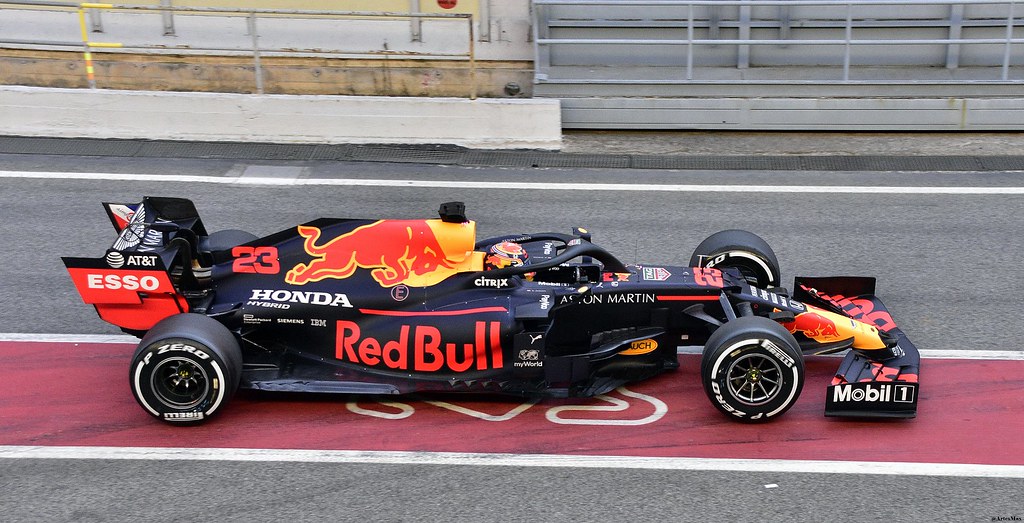
The latest technical update from Aston Martin involves an assortment of revisions aimed at enhancing the car’s aerodynamics and cooling efficiency. Key changes include modifications to the front and rear wing designs, a restructured floor layout, and optimized cooling ducts to better manage tire temperatures during race conditions.
According to the team, "These upgrades focus on improving air flow efficiency around the car, which is crucial for maximizing downforce while minimizing drag." The shift in aerodynamics also reflects a deeper understanding of how these factors interplay with the tire performance and overall speed, stressing their commitment to agility and adaptability in varying track conditions.
SECTION 2: Intended Performance Impact
Aston Martin aims to find a delicate balance between speed and tire management with these upgrades. Upon implementing the aerodynamic changes, the team has prioritized improved downforce and reduced tire wear. This is especially essential for circuits where tire degradation often becomes a deciding factor in race strategy.
While the team has refrained from making specific lap time claims, they believe these upgrades will fundamentally enhance car efficiency, potentially allowing drivers to push harder for longer without compromising tire life. The expected outcome is more competitive stints and increased flexibility in race strategy, particularly in the latter stages, where drivers typically battle for position without the hindrance of excessive tire degradation.
SECTION 3: Competitive Context
In the context of the 2023 season, Aston Martin’s updates come at a critical juncture. The team has been catching up to the front-running squads, notably Ferrari and Mercedes, who continue to innovate and adapt. This latest series of updates positions Aston Martin as a formidable competitor in the midfield, but it also highlights a keen understanding of leveraging recent developments in aerodynamics and tire wear management to find competitive advantages over their rivals.
The team is aware that such adjustments can be game-changing, particularly on tracks with high-speed corners where the balance between downforce and drag plays a vital role. Especially with Red Bull’s strong performance continuing this season, Aston Martin must capitalize on any potential performance leaps to close the gap.
SECTION 4: Season Implications
Looking at the broader implications for the season, Aston Martin’s development strategy signals an adaptive approach aligned with resource allocation. Under the cost cap, every upgrade has to be meticulously planned and executed, leading the team to prioritize upgrades that yield the greatest returns in performance. The collaboration with Adrian Newey, known for his innovative designs in F1, might also indicate future paths for further design evolution.
This tactical upgrade could pave the way for future developments as the team experiments with new aerodynamic setups and further refines their existing technologies. As part of an ongoing evolution, it will be interesting to see how Aston Martin balances its existing competitive advantages with potential new innovations from Newey’s design ideas.
SECTION 5: What to Watch Next
As the season progresses, the next races will serve as critical platforms to validate Aston Martin’s upgrades. It will be particularly intriguing to observe how these improvements perform on circuits that have varied characteristics, such as high-speed straights and tight corners. The team will be focused on gathering data during practice sessions to fine-tune the car’s setup in real-time.
Fans should keep an eye on how Aston Martin leverages their new upgrades against more established teams in upcoming races, particularly in light of varying weather conditions that could test the efficacy of these changes. The data collected in these outings will be vital for making further adjustments and responding to competitor developments.
Conclusion
As a thoughtful question for fans, in light of Aston Martin’s new upgrades and their collaboration with Adrian Newey: How do you think successful integration of these upgrades could impact Aston Martin’s standing in the Constructors’ Championship, especially as the season intensifies?
