













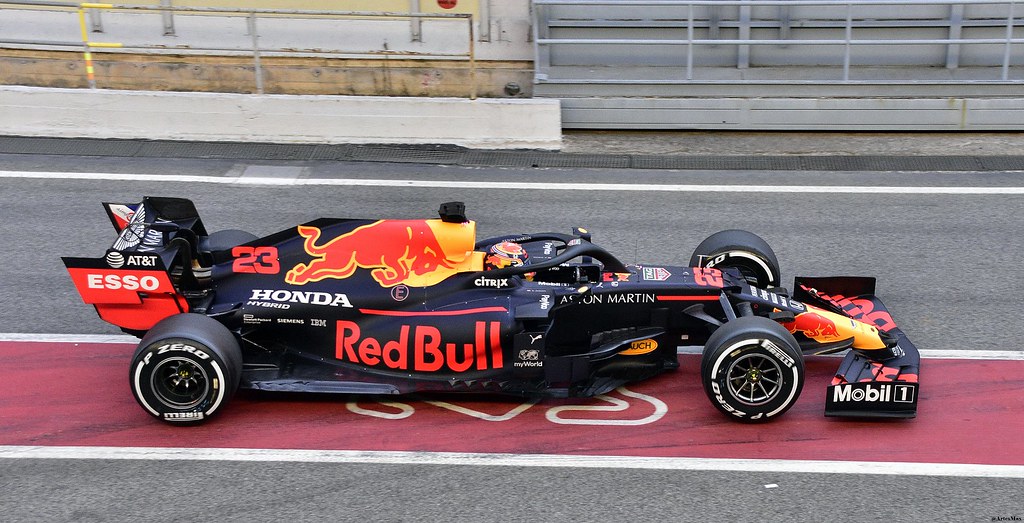
Aston Martin Partners with Honda: Key Details and Implications
In a significant development for the 2026 Formula 1 season, Aston Martin has officially announced its partnership with Honda as their engine supplier. The announcement, made on October 5, 2023, during a press conference at the Japanese Grand Prix, marks a pivotal moment for both teams as they navigate the highly competitive landscape of F1 racing. This partnership holds serious implications, not only for Aston Martin’s performance trajectory but also for Honda’s return to the grid as a power unit manufacturer.
Official Details
The announcement came directly from Aston Martin’s Team Principal, Mike Krack, who confirmed the multi-year agreement with Honda, spanning the entirety of the new power unit regulations set to be introduced in 2026. The partnership will see Aston Martin utilize Honda’s latest hybrid power units, enhancing their competitive edge. Both parties expressed mutual enthusiasm, with Honda’s Chief Officer, Koji Watanabe, highlighting their commitment to future F1 projects as they re-enter the sport after a brief hiatus.
This decision coincides with the FIA’s shift to more environmentally sustainable technologies in F1, placing an emphasis on hybrid power units that can run on renewable fuels. It’s a strategic move for both brands as they aim to harness advanced automotive technologies to not only compete on the grid but also to contribute to the broader push for sustainability in motorsport.
Immediate Impact
The ramifications of this partnership are multifaceted. For Aston Martin, the collaboration with Honda represents a critical step toward improving their performance metrics on the track. Historically known for its mid-field competitiveness, Aston Martin’s aspirations to challenge for podiums and potentially titles can be bolstered by a partnership with an established engine supplier like Honda.
Drivers like Fernando Alonso and Lance Stroll will be directly influenced by this decision, as improved power units can lead to enhanced performance in upcoming races and, crucially, in the 2026 season. Moreover, this deal will affect Aston Martin’s development roadmap for the next few seasons, focusing on aligning their car designs to maximize the potential of Honda’s technology.
Context
This announcement comes on the heels of several pivotal moments in the 2023 season. Aston Martin has struggled with consistency, particularly compared to rivals like Red Bull and Ferrari. The move to Honda could be essential in turning the tide as they aim for a top-three finish in the Constructors’ Championship. Additionally, Honda’s prior experience and technical expertise in F1—having delivered championship-winning power units to Red Bull—adds a layer of credibility and expectation to this partnership.
Further, as other teams like Ferrari and Mercedes are also announcing adjustments in their engine programs, the competition for competitiveness in this new hybrid era remains fierce. Just a week before the announcement, McLaren outperformed expectations at the Singapore Grand Prix, signaling the importance of having a potent power unit to maintain competitive relevance.
Why This Matters
The timing of this partnership is crucial as it arrives during the current season while simultaneously laying the groundwork for the 2026 regulations. For Aston Martin, forging a robust relationship with a reliable engine supplier like Honda can catalyze their growth trajectory and elevate them to a consistent top-five contender.
In the championship context, the ongoing battle among mid-tier teams will intensify. With Aston Martin potentially gaining a significant power advantage, other teams may feel pressured to step up their game or reassess their engine affiliations to maintain competitiveness.
What Comes Next
Following this initial announcement, Aston Martin and Honda will likely embark on a series of technical meetings to solidify their partnership and begin co-developing the new engine together. Both companies have stated their commitment to developing a power unit that will not only meet performance goals but also adhere to the FIA’s sustainability standards, focusing on renewable fuels and energy recovery systems.
The next significant milestone will come with the unveiling of Honda’s 2026 engine design, which is expected to debut in early 2025, coinciding with Aston Martin’s strategic preparations for the new regulations.
As the F1 community processes this announcement, one question emerges for fans: How competitive do you think Aston Martin will be with Honda as their engine supplier moving forward?
