





















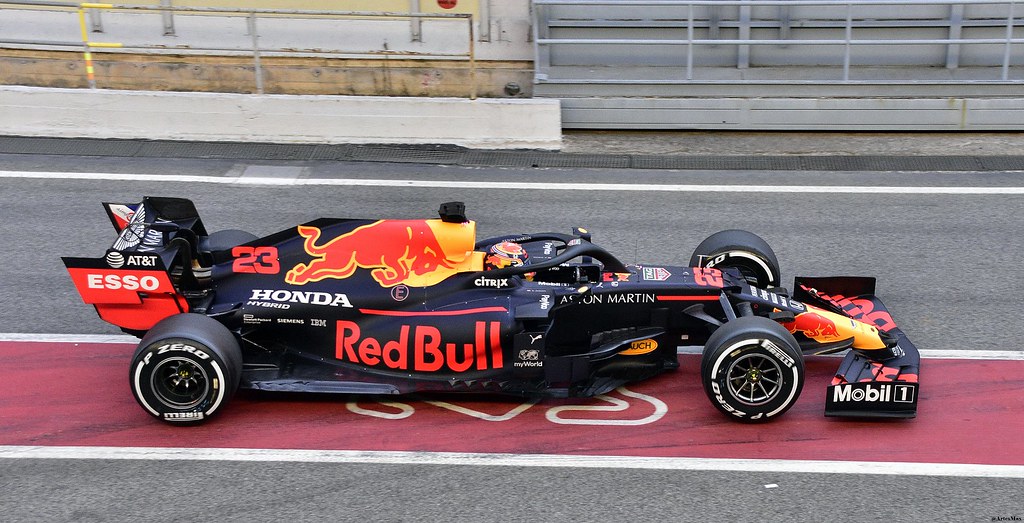
Aston Martin’s Latest Upgrade: A Game-Changer for the 2023 F1 Season?
As the 2023 Formula 1 season gets underway, one of the most significant developments is Aston Martin’s upgrade to their AMR23 race car. This update is especially important not just for its technical merits but also given the backdrop of reported driver safety concerns that have arisen from previous iterations of this vehicle. These enhancements could play a crucial role in shaping the team’s performance, impacting not only their season but potentially the competitive landscape of F1.
Technical Details
The upgrade introduced by Aston Martin centers on a new suspension configuration combined with revised aerodynamics. The team has tweaked the front and rear suspension geometry and re-profiled the wings to enhance airflow around the car, offering better downforce and stability. They describe the changes as "aggressive yet refined," stating that the geometry adjustments were aimed not just at performance but also at improving driver comfort and safety.
The new suspension layout has been engineered to mitigate the forces transmitted to the driver, addressing concerns regarding potential nerve damage highlighted in prior press reports. Additionally, the aerodynamic tweaks include an evolved floor design and altered wing profiles, aimed at increasing downforce without compromising drag too significantly. This makes the car more responsive, crucial for tire management—a significant factor in race strategy.
Intended Performance Impact
Aston Martin’s updates are intended to improve the overall balance of the car, allowing it to maintain better grip through corners and improve tire wear—two vital factors for achieving a fast lap in race situations. Their goal is to enhance efficiency, allowing the AMR23 to perform consistently across different tire compounds without causing excessive degradation.
Though no specific lap time claims were made, the team emphasized that the upgrades aim for a noticeable improvement in cornering capability and straight-line stability. By striking a better balance, they expect to enhance the car’s drivability for both Lance Stroll and Fernando Alonso, especially as they tackle challenging circuits that place high demands on car handling.
Competitive Context
In the current F1 grid, Aston Martin sits within a fiercely contested midfield, primarily battling teams like Renault, Alfa Romeo, and AlphaTauri. The upgrades have been particularly necessary given the pace and performance demonstrated by rivals at pre-season testing. The midfield is notoriously tight, where fractions of a second can separate teams.
If these enhancements deliver as intended, Aston Martin could leapfrog some of its competitors, potentially establishing itself as a strong contender for points finishes and even podiums. The adjustments also signal to rivals that Aston Martin will not be complacent, and they are actively seeking methods to extract more performance from their package.
Season Implications
Looking ahead to the season, this upgrade reflects Aston Martin’s strategic development direction. They seem poised to focus more on aerodynamic efficiencies and driver comfort, balancing the pursuit of speed with the need to protect their drivers from injury risks inherent in the sport.
Resource allocation has evidently been a priority for Aston Martin’s engineering team; as they channel significant efforts into maximizing the effectiveness of the AMR23, they will need to keep an eye on the developing race calendar and the evolving competitive landscape. Having made these critical changes early in the season may allow them to adapt and pivot as needed, ensuring that they continue to improve throughout the year.
What to Watch Next
As the season progresses, fans should keep a close eye on upcoming races to see how the AMR23 performs under race conditions. The data validation phase following this upgrade will be crucial, as the team will assess how the enhancements translate to real track performance.
Particular attention should be paid to how the car behaves in diverse conditions, including tire management across varied circuits. The Circuit de Barcelona-Catalunya will provide a useful early test environment, followed by the high-speed demands of circuits like Monza or the technical challenges of street circuits such as Monaco.
Thoughtful Fan Question
Given the updates aimed at improving driver safety and performance, how do you think well-engineered upgrades like Aston Martin’s will shape the narrative of driver safety and performance development in Formula 1 moving forward?
