










The Impact of Ferrari’s New Front Wing: A Technical Analysis
INTRO
Ferrari has recently unveiled a significant upgrade to their SF-23, focusing primarily on the front wing design. This update is crucial for the Scuderia, as they attempt to close the performance gap with dominant rivals like Red Bull Racing and Mercedes. The evolution of the front wing is pivotal not only for aerodynamic effectiveness but also for overall car balance and handling characteristics. With the 2023 season nearing its midway point, this change could redefine Ferrari’s competitive standings.
SECTION 1: Technical Details
What Changed
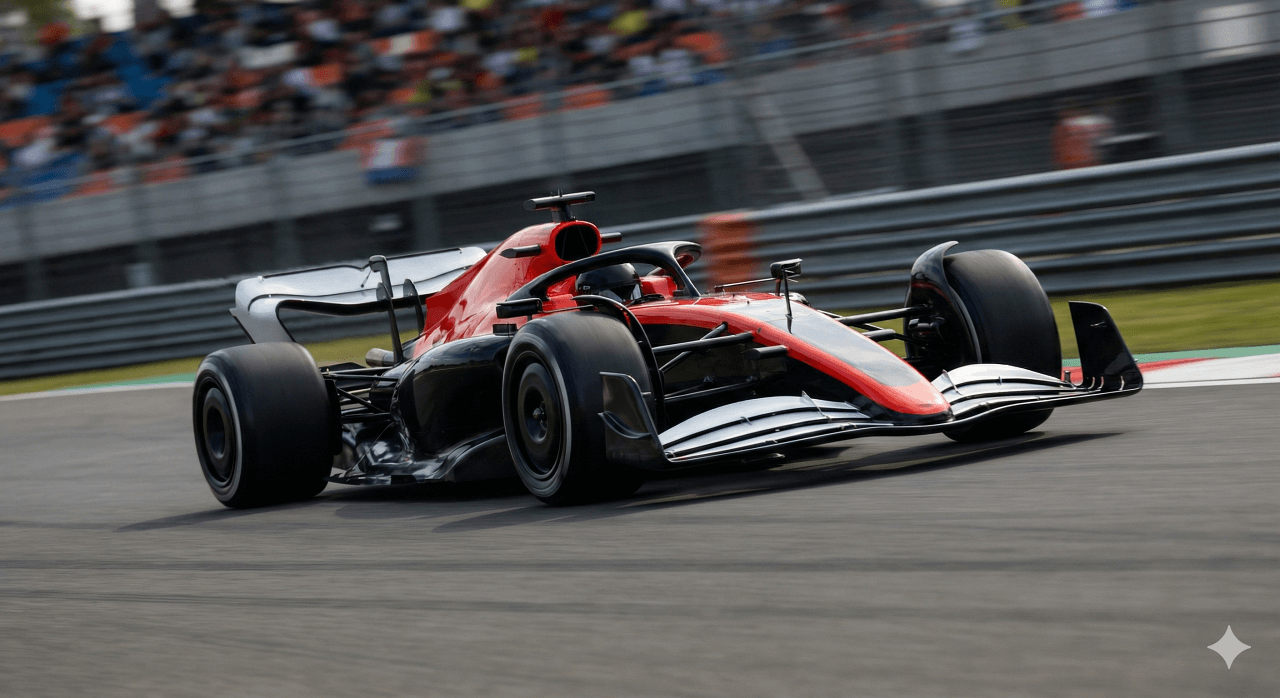
Ferrari’s new front wing features a redesigned flap profile and endplates, showcasing a commitment to enhancing downforce generation while improving airflow management to the rest of the car. The updated wing has a more pronounced curvature, facilitating better airflow over the tires and minimizing turbulence, which could enhance the performance of the car’s rear aerodynamic components.
How Teams Describe It
Ferrari team principal Fred Vasseur explained the importance of this upgrade in a press conference, emphasizing that this redesign aims to improve aerodynamic efficiency and adaptability to various tracks. "We’ve focused on creating a front wing that not only maximizes downforce but also provides better feedback to the drivers, allowing them to push harder on circuits with varied corner types," he noted. This is a crucial element in a peer-driven sport where split-second decisions can make the difference between podium finishes and disappointing results.
SECTION 2: Intended Performance Impact
Balance, Tire Wear, Efficiency
The principal objectives behind the front wing upgrade are to enhance car balance, reduce tire wear, and improve overall efficiency. A well-balanced car promotes better cornering stability, allowing for greater confidence in fast turns. With improved airflow to the tires, Ferrari hopes to achieve better thermal management, which should reduce excessive wear that has plagued some of their performance aspects in previous races.
While Ferrari has opted not to specify expected lap time improvements—a common trend in F1 to prevent overhyping changes—team engineers believe that the enhanced aerodynamics will facilitate a more nimble and responsive car. By enhancing grip levels without overstressing the tires, the SF-23 could become a more competitive vehicle during race stints.
SECTION 3: Competitive Context
Ferrari is evaluating its position against rivals such as Red Bull Racing, who have excelled thanks to their innovative and aggressive aerodynamic designs. Red Bull’s unmatched downforce levels and tire management strategies have allowed them to dominate most races in the first half of the season. Similarly, Mercedes has recently improved its performance, particularly with its own wing developments.
By introducing this updated front wing, Ferrari aims to not only close the gap but potentially set itself apart from others in the mid-field, like Aston Martin and McLaren, who have also been advancing their own aerodynamic packages. The competition is fierce, and every upgrade could be the key to a leap forward or a minor step back.
SECTION 4: Season Implications
Development Direction
The new front wing marks a pivotal moment in Ferrari’s broader development strategy for the 2023 season. After starting the year with a mixed performance, the team has recognized the need for an aggressive push in aerodynamic development. This upgrade symbolizes a shift in focus on improving core components rather than marginal gains, reaffirming Ferrari’s commitment to returning to championship contention.
Resource Allocation
Implementing such a significant upgrade typically comes at the cost of other planned developments. Teams like Ferrari must balance performance updates, reliability considerations, and resource allocation. The new front wing may indicate a strategic pivot: the team could potentially downplay other areas, such as engine development or rear wing enhancements, to funnel resources into refining the aerodynamics further. If this decision pays off on the track, it could prove to be a wise investment.
SECTION 5: What to Watch Next
As the season progresses, fans should keep an eye on the upcoming races in Monaco and Barcelona, where the circuit layouts emphasize the importance of aerodynamics. These challenging tracks will provide an invaluable data validation phase for Ferrari, allowing the team to assess whether the new front wing performs as expected under varying conditions and tire compounds.
Additionally, Ferrari’s gather data from driver feedback will be crucial. Pay attention to their performance in qualifying sessions—if the SF-23 displays improved stability and handling through tight corners, it will be an encouraging sign for the team and fans alike.
Closing Question
As you watch Ferrari’s progress with this new front wing design, what specific performance metrics or on-track behaviors will you be tracking to measure its success?
