



















—
### Analyzing the 2023 Milton Keynes Upgrade: Red Bull Racing’s Performance Enhancement
#### INTRO
Recently, Red Bull Racing announced a significant update to their RB19 chassis, which marks a pivotal moment in their 2023 Formula 1 campaign. This upgrade includes a redesigned aerodynamic package, specifically tailored to improve downforce and efficiency. It matters significantly not just for Red Bull, who are currently leading the Constructors’ Championship, but also for the entire grid as teams scramble to close the gap, both in terms of performance and championship standings.
### SECTION 1: Technical Details
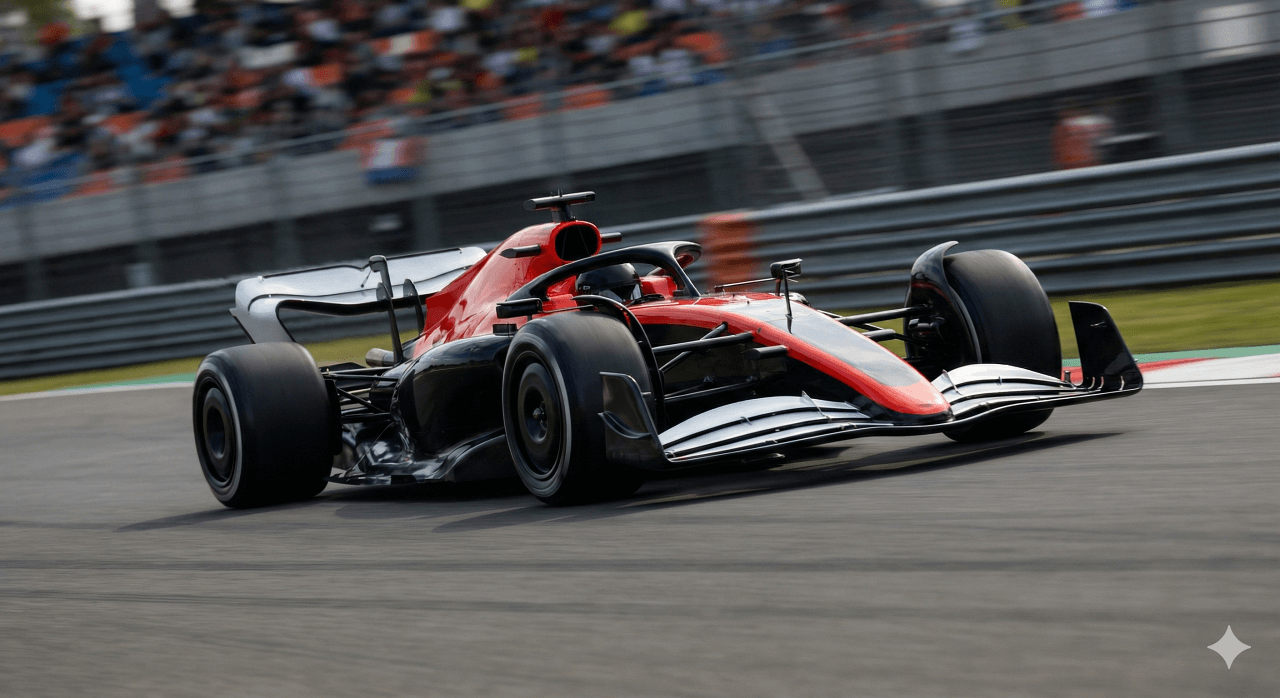
The most notable change within the RB19 upgrade is the modification of the rear wing design, which incorporates a revised flap configuration that enhances airflow management. This upgrade also includes an adjusted floor with improved venturi tunnels, aimed at maximizing ground effect—a technique that has proven increasingly effective since its resurgence in F1.
When discussing the update, Red Bull’s technical director emphasized the balance between maximizing downforce without compromising drag. “Our goal was not only to refine aerodynamics but to ensure that our handling characteristics were optimized for tire management during races,” he stated. Key metrics such as pitch sensitivity and rear stability have been addressed, providing the drivers with more confidence during high-speed cornering.
### SECTION 2: Intended Performance Impact
The upgrade is designed to create a more adaptable car by improving the car’s balance and efficiency over various track conditions. Red Bull aims to reduce tire wear by optimizing thermal performance, effectively allowing their drivers to push harder for longer periods while maintaining a competitive edge in tire degradation.
While the team refrains from making explicit lap time claims—because actual on-track performance is contingent upon conditions—the expectation is that the changes will allow them to unlock a crucial competitive advantage, especially during key phases of a race, such as the final stint when tire performance often dictates strategy.
### SECTION 3: Competitive Context
In the broader context of the 2023 grid, Red Bull’s upgrade places them in a unique position relative to their rivals. Teams like Ferrari and Mercedes have heavily invested in their aerodynamic programs due to the struggles they faced at the start of the season. However, while these teams are catching up, Red Bull’s latest upgrades underscore their commitment to staying ahead.
Both Ferrari and Mercedes have rolled out their own updates, yet Red Bull’s consistent performance and fine-tuning solutions have so far maintained their dominant stance. By leading the championship, Red Bull has the luxury not just to react to competitors’ upgrades but to proactively refine their own package, creating an upward spiral of performance improvement.
### SECTION 4: Season Implications
From a strategic standpoint, Red Bull’s development direction suggests a sustained focus on aerodynamics for the remainder of the season. With a limited budget cap, the allocation of resources toward aerodynamics over other areas—like power unit enhancements or suspension refinements—indicates confidence in their current engine package and an attempt to lean into their strengths.
As the season progresses, how Red Bull leverages their aerodynamic upgrades will be crucial, particularly as they head into races with varying track characteristics that necessitate different downforce settings. The ongoing development will also set the stage for the 2024 season, where they aim to top off their efforts with a well-rounded, more robust package for both drivers.
### SECTION 5: What to Watch Next
Looking ahead, the upcoming races—particularly tracks that traditionally favor high downforce, such as Monaco and Silverstone—will provide an ideal setting for the RB19’s upgraded performance metrics to be validated. The team has highlighted these circuits as critical for fully assessing the impact of their revisions.
In data validation phases post-upgrade, we must look closely at real-time telemetry during practice sessions, where the new package will first come under scrutiny. Attention should also be paid to tire wear metrics on long runs, as the data collected will be crucial for estimating the real race-day effectiveness of their upgrades.
Ultimately, fans should keep an eye on Red Bull’s performance over the next few races, as that’ll offer valuable insight into how well their gamble on the aero package pays off in the pursuit of the championship.
—
As we consider these developments, how do you think Red Bull’s upgrade will affect their chances of retaining the championship against emerging competition?
