





















Car Upgrade Analysis: Aston Martin’s New Front Wing Design
INTRO
Aston Martin recently unveiled a significant technical upgrade for its 2023 Formula 1 campaign: a revised front wing design aimed at enhancing aerodynamic efficiency and vehicle balance. This update signifies the team’s commitment to maintaining competitiveness within the tightly contested midfield, crucial for securing valuable points as the season progresses. With an eye on performance, this upgrade offers insight into Aston Martin’s evolving strategy for extracting maximum potential from their AMR23 chassis.
SECTION 1: Technical Details
What Changed?
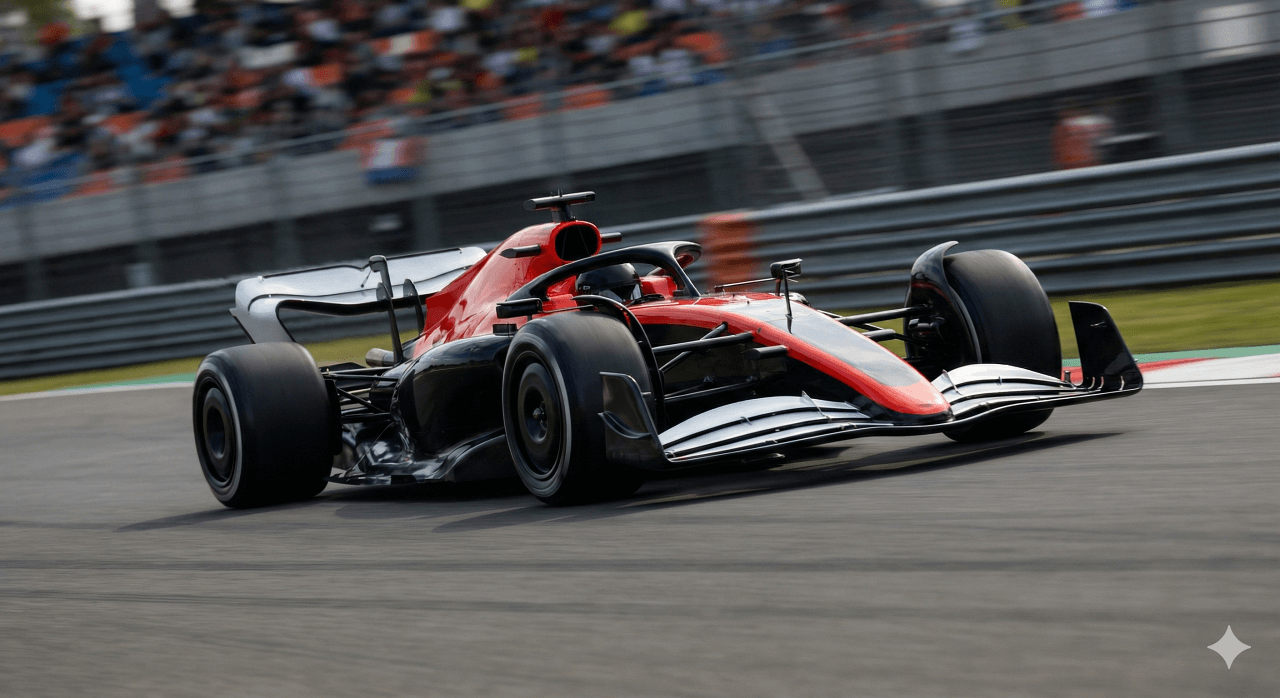
The most notable change with Aston Martin’s new front wing is the profile and positioning of the endplates and flaps. The new design incorporates a refined angle of attack and an enhanced shape to improve airflow management around the tires and into the sidepod area. The width of the flaps has been slightly increased to create a larger effective surface area, thus allowing more downforce to be generated.
Aston Martin’s engineering team describes this update as a "step towards optimizing our aerodynamic efficiency." They emphasize that the goal was not merely to increase downforce, but to balance it effectively with drag to improve straight-line speed—a critical aspect for most circuits on the calendar.
SECTION 2: Intended Performance Impact
The impact of the new front wing isn’t simply about outright downforce; it plays a crucial role in vehicle balance and tire management. A well-balanced car allows drivers to maintain higher corner speeds while reducing tire degradation, a major factor in race strategy. The optimized airflow generated by the new wing should help in stabilizing the rear end of the car, especially during high-speed cornering.
However, Aston Martin has refrained from providing lap time claims, focusing instead on the performance characteristics that matter on race day. They’ve highlighted expectations for improved tire wear—an essential factor given the increasing focus on tire management in this year’s championship rules. The goal is to enhance both performance during qualifying and consistency during races, where tire management can lead to strategic advantages.
SECTION 3: Competitive Context
As it stands, Aston Martin is in fierce competition with rivals like McLaren, AlphaTauri, and Alfa Romeo for valuable points. This upgrade positions them to close the gap not only on those teams but also against the consistently performing upper midfield squads like Ferrari and Mercedes. Given the tightly-packed nature of the field, a small advantage can have significant implications.
Both McLaren and Ferrari have made strides in their own aerodynamic developments this season; hence, Aston Martin’s updates could be critical in ensuring they don’t fall behind. The team is strategizing its upgrades to align with expected developments from competitors, aiming to maintain a position that could see them fight for points more regularly through to the end of the season.
SECTION 4: Season Implications
Beyond the immediate performance impact, the new wing reflects Aston Martin’s broader developmental philosophy. The team is clearly directing resources towards aerodynamic enhancements, indicating confidence in their chassis and a desire to incrementally improve competitiveness.
Resource allocation is a delicate balance in F1, particularly under the current budget cap regulations. By focusing on aerodynamics, Aston Martin signals an intent to develop strengths where they can most effectively improve. Over the remainder of the season, this could guide upcoming upgrades, including potential tweaks in suspension geometry and rear wing configurations, both of which can synergistically improve lap times.
SECTION 5: What to Watch Next
As we anticipate the next races following this upgrade, it’s important to monitor how the new front wing performs under various conditions. Impacts on qualifying sessions and race performances will be key indicators of the success of this upgrade. Upcoming circuits such as Silverstone and Monza will be crucial settings to see how well the updated wing translates into race conditions, particularly with the high-speed sections typical of those tracks.
Additionally, data validation during practice sessions will be critical to ascertain whether the intended performance characteristics align with real-world outcomes. Fans should keep an eye on driver feedback, particularly regarding how the car feels through corners and under braking—key factors that may dictate competitive performance.
As we delve deeper into this Formula 1 season, one thoughtful question arises for fans: How do you think Aston Martin’s recent aerodynamic upgrades will influence their overall championship standing by the year’s end?
