















Unpacking Ferrari’s Latest Upgrade: A Game Changer for 2023?
INTRO
Ferrari has unveiled a significant technical upgrade to its SF-23 car in preparation for the latter half of the 2023 Formula 1 season. This fresh iteration is designed to improve aerodynamic efficiency and cornering stability, a crucial factor as teams approach a series of challenging circuits. In the ultra-competitive environment of F1, Ferrari’s upgrade could be the key to reclaiming crucial points in the Manufacturers’ Championship. But why exactly does this matter? With McLaren and Aston Martin hot on their heels, every fraction of a second counts.
SECTION 1: Technical Details
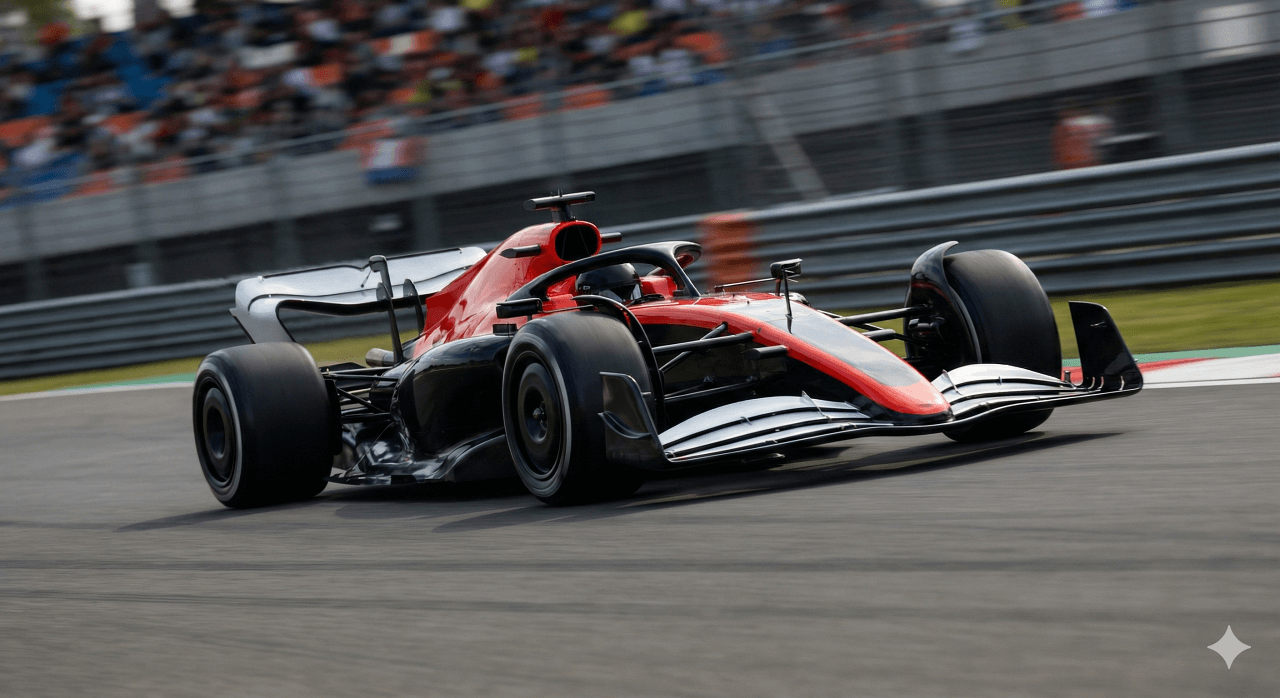
The notable change revolves around an altered front wing design, which features a new endplate configuration intending to enhance airflow management over the car’s body. Ferrari engineers have mentioned improvements in the vortex management and ground effect efficiency stemming from this update. The updated endplates not only support a more effective outwash of air but also aim to provide a cleaner flow toward the sidepods. Teams often refer to this type of update as “fine-tuning,” a phrase that encompasses subtle yet impactful changes to aerodynamic components that enhance overall performance without overhauling the car’s primary design.
Moreover, adjustments to the suspension geometry, particularly in the front axle, are also part of this upgrade. These changes are geared toward increasing mechanical grip, which can lead to better tire performance over a race stint. Ferrari describes these updates as a comprehensive approach to enhancing the car’s balance, keeping the drivers more confident behind the wheel.
SECTION 2: Intended Performance Impact
Ferrari is not making bold lap time claims, which is a prudent move considering the unpredictability of different circuits and conditions. Instead, the focus is firmly on improved balance, reduced tire wear, and overall efficiency. The new aerodynamic profile is designed to maintain a stable rear end during high-speed cornering, allowing drivers to push the limits without fear of losing control.
In terms of tire management, the enhanced downforce aims to reduce the car’s sliding during tire extremes when cornering. By having better initial grip from the front, the SF-23 should allow drivers to effectively "lean" on the tires after braking, which is crucial for maintaining speed through corners. The goal here is not necessarily about being the fastest car on the grid but achieving a car that is more consistently fast, especially during grueling marathon races.
SECTION 3: Competitive Context
In the competitive landscape of Formula 1, even subtle improvements can have significant implications. As of now, both Mercedes and Red Bull are also progressing with their respective upgrades. Red Bull, for instance, has been the benchmark for performance and reliability in recent seasons. Ferrari’s upgrade places them in direct competition with these teams.
The SF-23’s improvements enable Ferrari to target mid-corner performance, an area where they have previously struggled compared to their rivals. Mercedes has made strides in this aspect with their W14, making it imperative for Ferrari to narrow that gap. The timing of this launch is crucial; with upcoming races featuring a mix of tight street circuits and high-speed tracks, this upgrade could be pivotal in ensuring Ferrari retains a competitive edge over not just McLaren and Aston Martin but also vital points-scoring opportunities against Mercedes and Red Bull.
SECTION 4: Season Implications
Looking ahead, the development direction taken by Ferrari signals a strategic pivot. Instead of a radical overhaul, they’re passing through a phase of iterative improvements in response to their competitors’ advancements. Fine-tuning existing features allows them to use resources efficiently, especially when considering the budget cap constraints imposed by the FIA.
Ferrari’s engineering team is expected to allocate more resources toward data validation and real-time adaptations in car setup post-upgrade. This allows for a rapid adjustment phase where feedback from drivers—Charles Leclerc and Carlos Sainz—can be translated into adjustments either for practice sessions or race setups. As the season progresses into its pivotal stages, fine-tuning could lead to crucial gains, especially if other teams are still figuring out how to cope with their upgrades.
SECTION 5: What to Watch Next
As the next races approach, particularly the challenging circuits in Singapore and Suzuka, it will be essential to monitor how Ferrari’s SF-23 performs under various conditions. The true validation of this upgrade will not just come from practice times, but rather from race situations where tire management and car balance are intensely tested.
Teams will be data-mining after each session; Ferrari will undoubtedly keep a sharp eye on tire degradation rates and lap consistency during practice. Likewise, early indications from qualifying will show how effectively this upgrade translates into real-world performance against rivals.
As fans, we’re entering an intriguing phase of the season where every decision matters. What specific performance metrics would you like to see Ferrari focus on to ensure their upgrade yields the expected benefits?
