











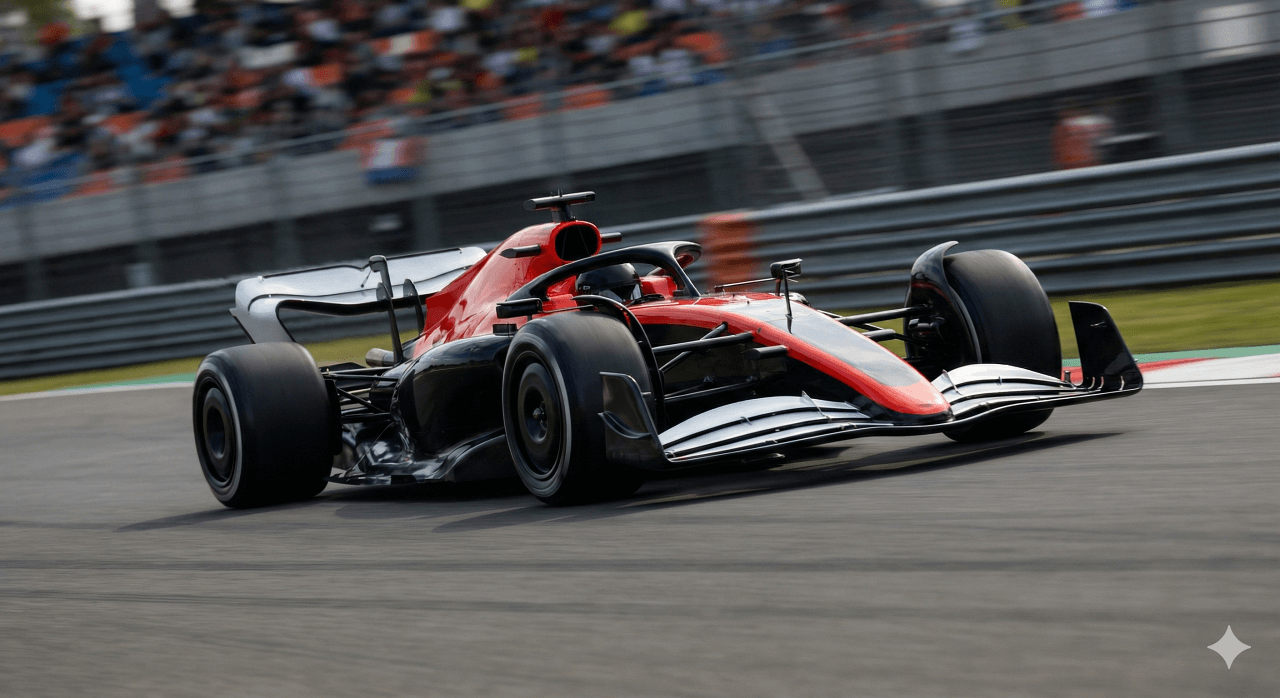







Evolutionary Enhancements: Ferrari’s Exhaust and Rear Wing Upgrades in Bahrain
Ferrari has made notable strides in their 2023 Formula 1 season with the introduction of significant technical upgrades—specifically targeting the exhaust system and rear wing design—during the Bahrain Grand Prix weekend. These sophisticated adjustments are crucial for any championship-contending team as they seek to optimize performance and unlock potential that their competitors may not have access to. Understanding why these changes are meaningful can illuminate Ferrari’s strategy and may even set the tone for the performance narrative of the rest of the season.
Technical Details
The Exhaust System Revamp
One of the most talked-about upgrades is Ferrari’s new exhaust design. Redesigning the exhaust system is critical because it plays a vital role in engine performance, affecting both thermodynamics and the aerodynamics of the vehicle. The team has shifted to a more efficient exhaust layout, which optimizes the flow of exhaust gases. This has implications for engine efficiency and energy recovery, enhancing overall power delivery.
Rear Wing Enhancements
Alongside the exhaust redesign, Ferrari has also introduced a new rear wing that is said to offer more effective downforce along with improved drag characteristics. The team emphasizes the integration of new endplates and a modified flap design that facilitates better airflow. It’s a holistic adjustment aimed at enhancing aerodynamic stability, which is crucial for cornering performance.
Ferrari describes these changes as a proactive approach to adapt to the ever-evolving demands of the circuit layouts and tire behavior. The aim is to create a well-balanced car capable of quick adaptations to weekend variables.
Intended Performance Impact
Balance and Tire Wear
The general intention behind these upgrades revolves around improving the car’s overall balance, which can have a ripple effect on tire performance. A well-balanced car achieves an optimal transfer of weight through corners, which is crucial for minimizing tire degradation. Better tire management can translate to longer stints and more strategic race approaches.
Though teams typically shy away from making specific lap time claims, the expectation is clear: Ferrari anticipates that these upgrades will enhance their competitiveness, particularly in scenarios where tire management is pivotal to race strategy. The emphasis here is on consistent performance rather than solely raw speed.
Competitive Context
In the Formula 1 landscape, every upgrade must be viewed through the lens of competitor performance. Teams like Red Bull Racing and Mercedes are not standing still; they are also in the arms race of development. Recent performances indicate that while Ferrari has made headway, rivals have not been idle.
Ferrari’s performance at Bahrain will offer interesting contrasts to how similar upgrades play out across the grid. If their enhancements yield visible results, it could position them strongly against teams like Red Bull, who have garnered significant competitive advantages in recent seasons. Conversely, a lackluster performance compared to rivals may raise questions about the effectiveness of their developments.
Season Implications
A Strategic Development Direction
Ferrari’s upgrades signal a clear development direction aimed at competing at the highest levels. The decision to prioritize aerodynamic efficiency and engine performance hints at the team’s broader initiative to balance pace and longevity in tire performance.
Resource allocation becomes inherently critical as the season unfolds; teams must weigh how much to invest in further development given these initial upgrades. Ferrari’s thrustivity into exhaust and aerodynamics suggests a foundation for future improvements, potentially focusing on optimizing engine modes and adapting to varying circuits.
What to Watch Next
As the season moves on, the focus will be on the upcoming races and the data validation phase that comes directly after. Key circuits where Ferrari has historically succeeded or struggled will provide essential insights into the effectiveness of the upgrades.
Key races will feature different conditions—such as varying track surfaces and climate conditions—which will test the car’s newfound balance and efficiency. Observations on how these factors influence performance will be paramount.
Furthermore, one crucial aspect to watch out for is whether Ferrari can leverage their upgrades consistently across different race weekends. Will this be a one-off gain, or have they truly catapulted themselves into a phase of sustained competitiveness?
Thoughtful Fan Question
As fans grapple with the implications of Ferrari’s recent advancements, two key questions come to mind:
- Will Ferrari’s upgrades keep up with the relentless pace of innovation from Red Bull and Mercedes?
- How will the effectiveness of their enhanced rear wing and exhaust system translate into performance in notoriously tire-sensitive races?
These are discussions that will continue to develop as teams and drivers push forward in this high-octane sport.
