













Understanding McLaren’s Recent Technical Update: A Step Toward 2026 Safety
Introduction
Recently, McLaren Racing announced a significant technical update aimed primarily at enhancing driver safety in anticipation of the 2026 Formula 1 season. This update focuses on the structural integrity and energy absorption capabilities of their chassis, directly reflecting the team’s response to evolving safety standards and technological advancements. With Formula 1 continually prioritizing safety alongside performance, this update is not only timely but vital, signaling McLaren’s commitment to safeguarding their drivers and their overall competitiveness in the sport.
Section 1: Technical Details
What Changed
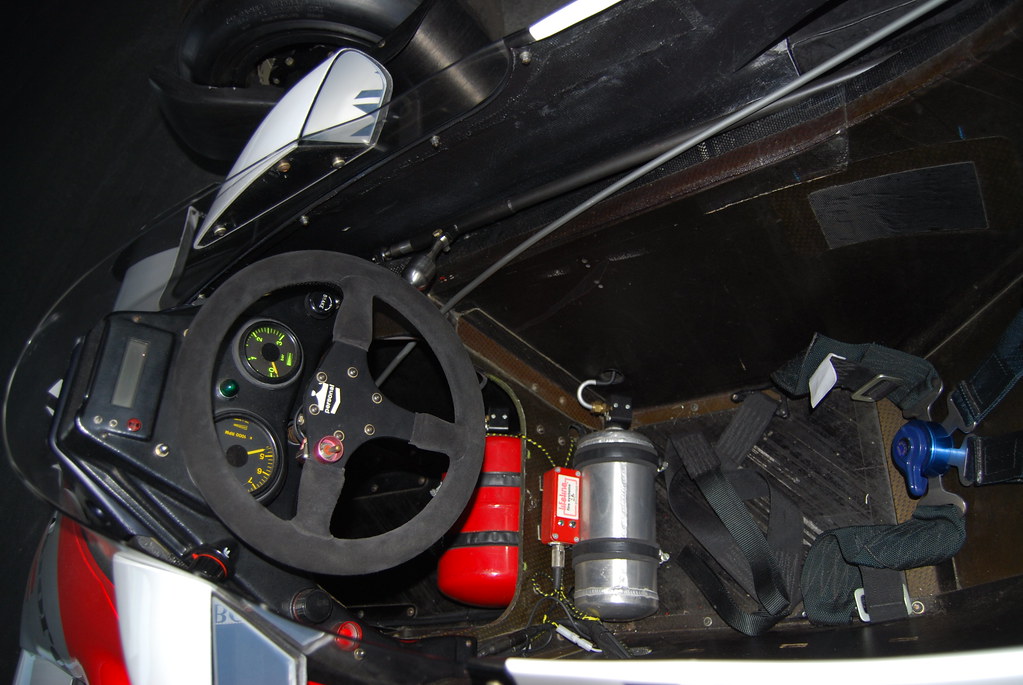
The core of McLaren’s update lies in an overhaul to the structural framework of the chassis, specifically enhancing the materials used in the monocoque design and improving the crash structure at key impact zones. The team has not only changed the materials but also adjusted the geometry to optimize energy dispersion during collisions.
How Teams Describe It
In an official statement, McLaren highlighted that "this upgrade enhances the car’s ability to absorb and dissipate impact energy, which is vital in modern motorsport." The term “safety cell” has been frequently mentioned, emphasizing the design’s dual role of maintaining driver protection while supporting aerodynamic stability. They also indicated that this updated design aligns with their engineering philosophy of marrying innovation with safety, stating, “Form and function must coexist to achieve excellence in performance.”
Section 2: Intended Performance Impact
While the primary focus of this update is on safety, it has a few secondary benefits that teams typically do not advertise—particularly around balance and tire wear. The optimizations in weight distribution through the chassis may lead to improved balance through corners, possibly minimizing tire wear. However, it is crucial to highlight that the team refrained from making specific claims regarding lap time improvements. Instead, their emphasis has been on ensuring that the car remains stable and handles predictably even under extreme conditions.
The aerodynamic balance, adjusted through the chassis changes, may also contribute to improved mechanical grip, allowing the race car to respond more effectively to driver inputs. This could indirectly enhance performance metrics like tire longevity and overall efficiency during races.
Section 3: Competitive Context
In the competitive landscape of Formula 1, safety and performance enhancements are critical for staying ahead. McLaren’s focus on establishing itself as a frontrunner in safety could set a benchmark in a field where teams continuously jockey for both technological and regulatory advantages. Rivals such as Mercedes and Red Bull have set high standards with their investments in safety innovations, particularly following recent incidents that have prompted rule changes.
McLaren’s proactive approach may position them advantageously, not only enhancing their vehicle’s safety profile but possibly influencing future regulations. Furthermore, as other teams look to improve their own models to meet 2026 regulations, McLaren’s decision may provide them with a competitive edge in the realm of driver confidence and brand reputation.
Section 4: Season Implications
Development Direction
Looking ahead, McLaren’s update indicates a shift in their development philosophy. By prioritizing safety, the team is set to allocate resources toward continuous innovation in chassis design and materials engineering. This pivot could also enable them to explore additional aerodynamic optimizations in conjunction with their ongoing partnership with established automotive brands, which might bring external insights into effective material utilization.
Resource Allocation
Allocating resources towards these critical upgrades reflects McLaren’s understanding of the reality of evolving safety norms and the importance of adapting to them in real-time. Their investment in R&D signals a robust long-term vision for intertwining safety and performance rather than considering them as separate objectives. This could mean that they may slightly slow down other areas of performance development—like powertrain innovations—while focusing on these foundational upgrades.
Section 5: What to Watch Next
As the F1 calendar unfolds, upcoming races will serve as a significant validation phase for McLaren’s updates. Observing the cars in varied conditions—high-speed circuits like Monza, combined with the technical challenges of street circuits—will allow fans and analysts to assess the impact of these updates in real-time.
Data collected during practice sessions and races will be crucial for McLaren to iterate on these advancements. How their drivers adapt to the updated car dynamics and the feedback they provide will also be pivotal, influencing further design decisions moving into the next race and through the 2026 season.
Thoughtful Fan Question
As McLaren pushes the envelope for safety in F1, how do you think other teams will respond, and will this set off a renewed arms race in chassis technology ahead of the 2026 regulations?
