





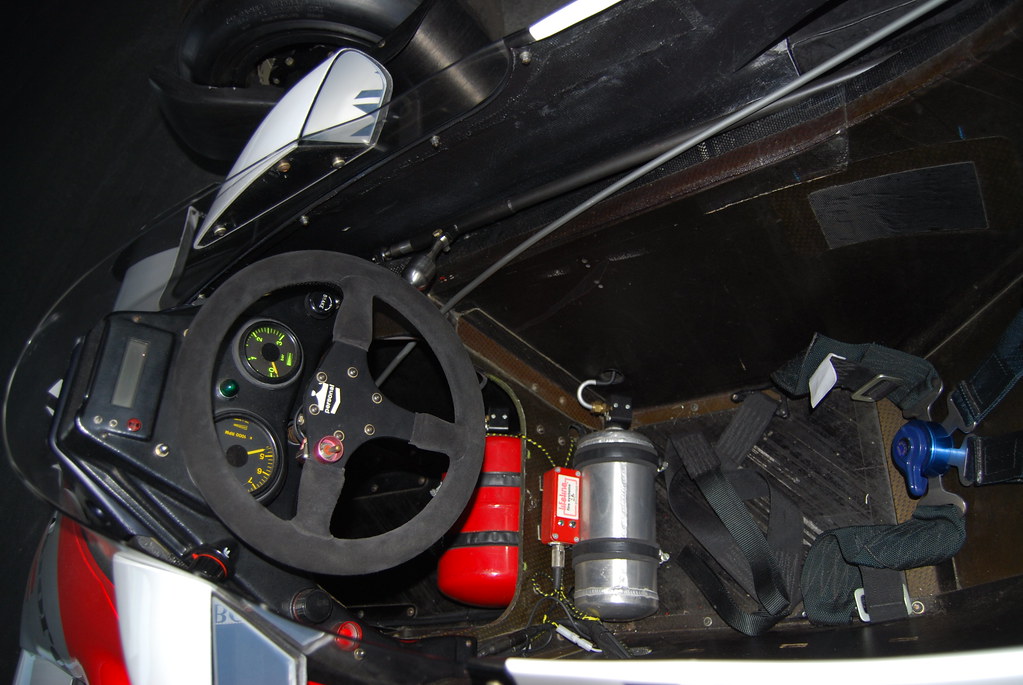





Mercedes’ Suspension Upgrade: A Step Towards Dominance
As Formula 1 gears up for the new season, one of the most notable updates has come from the Mercedes-AMG Petronas Formula One Team. Their recent upgrade focuses on a complete overhaul of the car’s suspension system, a critical area influencing handling and performance on the track. This development is crucial for Mercedes, particularly in a season where competition is expected to be fierce.
Technical Details
The recent suspension update includes adjustments to both the front and rear suspension configurations. Mercedes has introduced a new double-wishbone setup at the front that enhances the car’s dynamics by optimizing camber angles and improving cornering grip. The rear suspension has also been reworked to offer better traction, which is essential for acceleration out of corners.
Mercedes describes the new suspension as a "holistic approach" to improving vehicle performance, blending engineering advancements with detailed computational simulations. They emphasized that it’s not merely an incremental change but rather a fundamental shift in how their car interacts with the track surface.
Intended Performance Impact
The primary intention behind these updates is to improve the car’s balance during various phases of cornering, thereby enhancing overall stability. The new suspension geometry is expected to reduce tire wear, allowing the team to deploy a more aggressive tire strategy during races.
With better grip and balance, drivers should experience improved handling characteristics, especially under high-speed cornering conditions. Although the team refrains from making direct lap time claims, they anticipate that this upgrade will allow drivers to maintain higher speeds through corners without compromising tire performance.
Competitive Context
In the competitive landscape of Formula 1, where microseconds often determine success, such upgrades cannot be taken lightly. Mercedes finds itself contending against strong rivals like Red Bull Racing and Ferrari, both of which have also been refining their own cars in the off-season.
Red Bull has historically excelled in aerodynamic efficiency and tire management, while Ferrari’s focus on power units and chassis dynamics presents a significant challenge for Mercedes. This suspension upgrade aims to close the gap on these competitors, particularly in terms of cornering speed and tire longevity, two areas where they struggled in the previous season.
Season Implications
The introduction of this suspension upgrade signals a clear development direction for Mercedes as they look to remain a dominant force in the sport. Their investment in this aspect of the vehicle suggests that the team is not only focused on the current season but is also laying the groundwork for continued improvements in the future.
Resource allocation for this upgrade indicates a strategic move to ensure that the performance of the W14 is optimized before the season’s more demanding tracks appear on the calendar. Such updates often require a careful balancing act of resources between R&D, wind tunnel testing, and on-track performance validation.
What to Watch Next
As the season progresses, fans should keep an eye on the upcoming races, especially the tracks that have been historically challenging for the team. The Bahrain Grand Prix will serve as a critical proving ground for this suspension upgrade, with its mix of fast straights and technical corners presenting various challenges.
This initial validation phase will be incredibly telling for the performance of the new suspension setup. Observers should look for how well the car handles tire wear over a race distance, especially in concurrent sessions with its rivals.
Thoughtful Fan Question
With the introduction of the new suspension system, could this be the upgrade that finally allows Mercedes to reclaim its title at the top of the grid, or will their rivals continue to mount a strong challenge in the quest for the championship?
