








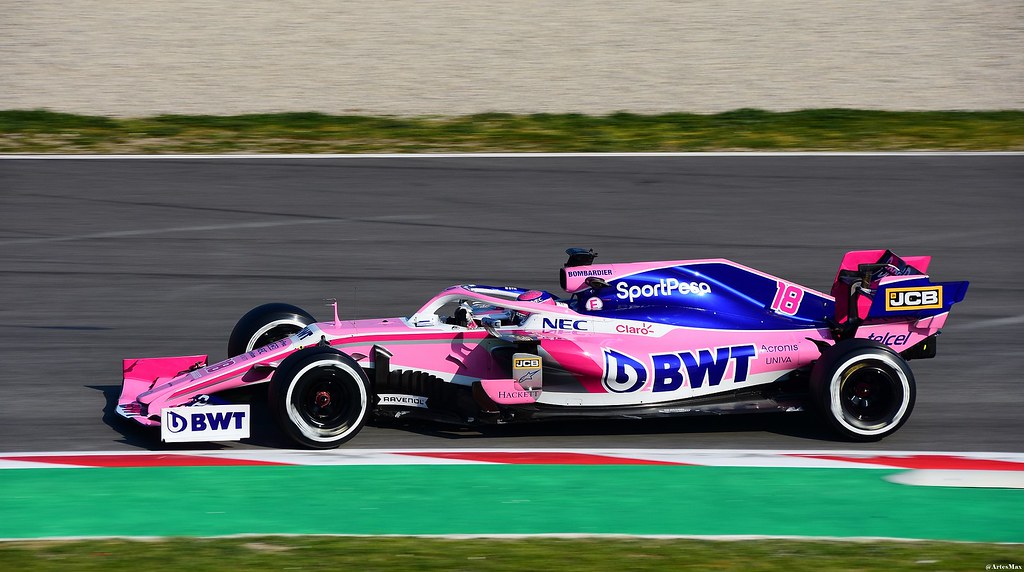
Aston Martin’s Latest Technical Upgrade: Analyzing the New Floor Design
INTRO:
Aston Martin has recently unveiled a significant upgrade to its AMR23 model with a new floor design aimed at enhancing on-track performance. This modification comes at a crucial juncture in the 2023 Formula 1 season, as the team aims to close the gap with its closest rivals. Understanding this upgrade matters not just for Aston Martin fans, but for competitors and the overall dynamics of the championship.
SECTION 1: Technical Details
The primary change lies in the car’s floor structure, which has been re-engineered to optimize aerodynamics. The new floor is designed with reshaped venturi tunnels that improve the car’s underfloor airflow management. This change aims to increase downforce while simultaneously reducing drag, helping the car maintain better stability through corners.
The Aston Martin engineering team describes this modification as a crucial step towards achieving more efficient ground effect — a pivotal aspect of modern F1 cars. The team has emphasized that this upgrade is not just about raw performance; it’s about ensuring that the balance of the car allows for more predictable handling, especially under varying track conditions.
SECTION 2: Intended Performance Impact
The restructured floor is expected to deliver multiple performance benefits, notably in terms of balance and tire management. By improving the interaction between the downforce generated by the floor and the tires, Aston Martin seeks to extend tire life during races. A longer tire lifespan is crucial for strategic race planning, allowing the team to possibly extend stints and reduce pit stops.
Furthermore, the team aims for increased efficiency in high-speed corners, which should translate into better lap-time consistency over race distance. Importantly, Aston Martin has refrained from making specific lap time claims, focusing instead on the qualitative aspects of the upgrade.
SECTION 3: Competitive Context
In the competitive context of the 2023 season, Aston Martin finds itself in a tightly contested midfield battle. The Mercedes and Ferrari teams have shown strong performances, and while Aston Martin has made significant strides, they currently occupy a position just behind these giants. The introduction of the new floor is crucial for the team as they tread the fine line between catching up to the leaders and remaining competitive with rivals like McLaren and Alpine.
By improving their aerodynamic efficiency, Aston Martin is strategically positioning itself to increase the competitive pressure on these teams. The performance advantage gained through this upgrade could be pivotal, especially at circuits that reward high-speed handling and downforce.
SECTION 4: Season Implications
This upgrade signals an important development direction for Aston Martin as they continue to chase improvement. The team is clearly prioritizing aerodynamic efficiency and balance, which hints at a broader strategy to make continuous gains as the season progresses.
Resource allocation will also play a critical role in whether this upgrade leads to sustained performance improvements. With limited budgets and development time, the ability to produce further updates this season will depend on how well the team can analyze the data from the new floor’s performance. The outcome will influence future R&D endeavours and how Aston Martin plans their development roadmap for the rest of the season.
SECTION 5: What to Watch Next
As the 2023 season unfolds, fans will be keenly watching the upcoming races to see how this floor upgrade translates into performance on track. The teams will gather crucial data that will validate the effectiveness of the modifications, particularly during the next few European Grand Prix events, where tracks typically offer a blend of high-speed and technical corners that demand the best of aerodynamic setups.
Fans should also keep an eye on driver feedback, especially from Fernando Alonso and Lance Stroll, as they assess the car’s handleability and performance characteristics in real-world conditions. The data collected will shape the next steps in their development strategy.
In light of these developments, one thought-provoking question arises: How will the balance of performance evolve among midfield teams as they adapt to new regulations and technical updates throughout the season?
