














The Unfolding Drama of the Australian Open: A Grand Slam Milestone
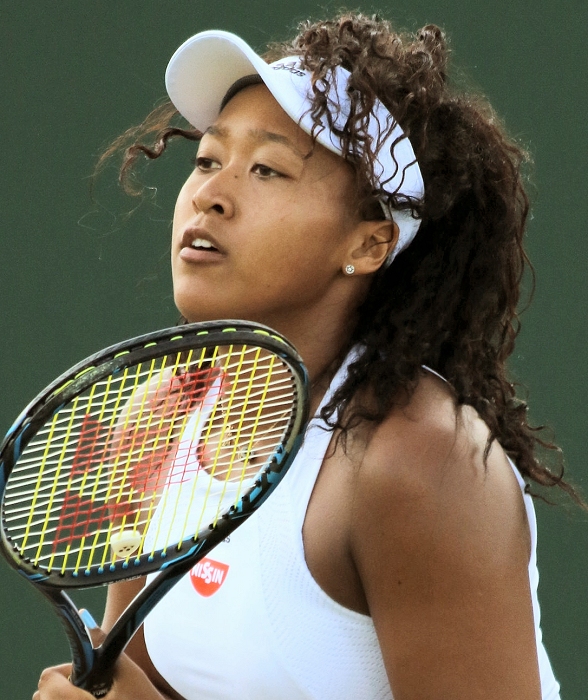
As the Australian Open reaches its critical midway point, anticipation swells amidst the budding narrative of this prestigious Grand Slam tournament. With top seeds and rising stars battling it out on the hard courts of Melbourne, the stakes couldn’t be higher. The third round marks a pivotal juncture, where dreams are either solidified or shattered, and for Naomi Osaka, an abdominal injury has altered the course of her Australian Open journey.
Tournament Narrative
From the outset, the Australian Open has showcased exhilarating tennis drama, with matches that have kept fans on the edge of their seats. One remarkable development has been the resurgence of veteran players who are determined to reclaim their place among the elite. Concurrently, young challengers have burst onto the scene, bringing a fresh wave of competitive tension.
Take, for instance, the electrifying performances from the likes of Aryna Sabalenka and Daniil Medvedev, who have stormed through their respective matches. Each round not only elevates the competitive atmosphere but also raises the emotional stakes as seasoned players face the possibility of an early exit.
However, the backdrop of Osaka’s withdrawal casts a shadow over the tournament. Once a beacon of resilience and talent, Osaka’s decision to step down highlights the ever-present risk of injuries—an unfortunate reality that can swiftly reshape the landscape of a Grand Slam. Her absence undoubtedly leaves a void, intensifying the narrative surrounding the remaining competitors who now have the opportunity to capitalize on this unforeseen circumstance.
Player Performances
The tournament has not been short of standout performances. Among the leaders is Aryna Sabalenka, whose aggressive play and unyielding determination have propelled her past expected opponents. Her powerful serve and relentless groundstrokes have made her a formidable contender. On the men’s side, Daniil Medvedev has demonstrated tactical prowess and athleticism, methodically dismantling his opponents and quietly asserting his standing as one of the tournament favorites.
Challengers have also emerged in unexpected places. Rising stars like Jannik Sinner and Coco Gauff have impressed observers with performances that blend tenacity and artistry on the court. Sinner’s ability to counter-attack and Gauff’s ingenuity at the net promise audiences a vibrant future in tennis.
It’s worth noting that player performances on this stage are not solely defined by points and wins. The mental fortitude displayed by players in high-pressure situations also defines their journeys. Many have come back from challenging situations, exemplifying the resilience intrinsic to professional sports.
Conditions & Surface
The hard courts at Melbourne Park have long been known for their speed and bounce, both of which have influenced match outcomes. This year, players have reported varying court conditions, with some matches affected by the extreme heat that Australia is famous for. The intense sun can drastically affect performance levels, testing players’ stamina and mental strength.
Moreover, as the tournament progresses, adaptation becomes key. While some athletes thrive in the heat, others struggle, giving rise to unpredictable upsets, particularly in the early rounds. This environment also stimulates strategic innovations, as players must calibrate their tactics based on real-time conditions.
Championship Context
As players continue navigating the tournament, the stakes evolve beyond individual matches. Each victory maps a player’s path through the draw, inching them closer to the coveted title. For long-time veterans, deeper runs signify not only a resurgence but also a formidable challenge against a new generation of talent.
For first-time contenders, every match represents a chance to solidify their place in tennis history. A finisher in the quarterfinals can propel a player into the top rankings, opening opportunities for future tournaments. The interplay of rankings and legacy adds another layer of intrigue to the Australian Open, making each match a chapter in the broader narrative of tennis history.
What Comes Next
As we glance toward the horizon of the tournament, the upcoming rounds promise not just competitive matches but also gripping storylines. The absence of Naomi Osaka hints at a drastically altered competition landscape, with new frontrunners likely to emerge.
Upcoming matchups will feature heavyweights, setting up potential blockbusters as unseeded players vie for upsets. The fans are abuzz with excitement over seeing how established stars will respond to the emerging threats from younger players.
Moreover, as the tournament evolves, discussions surrounding player fitness, adjustments, and strategies will flourish, creating an enriched dialogue among tennis enthusiasts.
As the Australian Open unfolds, the question remains for fans:
What emotional toll do you think injuries like Naomi Osaka’s withdrawal have on the competitive landscape of such a high-stakes tournament?
