











Formula 1 Unveils Significant Change to Engine Regulations for 2026 Season
In a groundbreaking announcement, the FIA has confirmed new engine regulations set for the 2026 Formula 1 season. The developments come as part of F1’s ongoing commitment to sustainability and performance enhancement, involving all teams that participate in the championship. This decision is crucial now as F1 faces increased scrutiny over environmental impact while simultaneously aiming to amp up competition.
Official Details
The FIA, the governing body of Formula 1, disclosed the finalized engine regulations after months of discussions with teams and stakeholders. The new framework will mandate the use of cutting-edge hybrid engines that will enhance the power output while simultaneously improving efficiency and sustainability. Notably, the regulations will stipulate that a larger proportion of the total power must come from hybrid technologies, particularly a focus on electrical energy recovery systems.
This announcement is set to redefine the structure of the power units that teams currently use, as these changes will push for significant innovations in engine technology. The new regulations will directly affect all participating teams, as they prepare to adapt to the technological advancements required to comply with this updated framework.
Immediate Impact
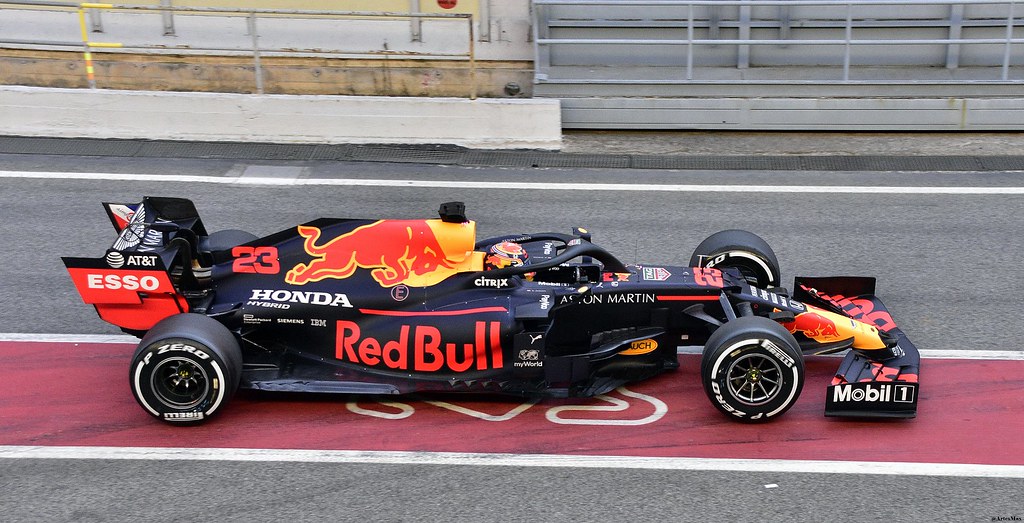
The changes are likely to send ripples through the paddock as teams scramble to adapt their designs and technologies. Teams such as Mercedes, Ferrari, and Red Bull Racing will have to match the new performance levels while staying within the new regulatory framework, potentially reshaping their approach to car design and strategy. The adjustment period prior to the 2026 season may lead to increased development costs and testing requirements, prompting teams to reevaluate their financial strategies.
With the new regulations, the upcoming seasons may become more competitive, as teams with advanced hybrid technology could gain a substantial advantage early in the 2026 season. Additionally, the changes could impact race strategies as engineers adapt to the new energy recovery paradigms, potentially leading to exciting new racing dynamics.
Context
This announcement follows a series of discussions initiated back in 2021 among F1 stakeholders, aimed at enhancing sustainability and performance in response to global trends in automotive technology. The recent rise of electric vehicles (EVs) and their remarkable performance figures has further put pressure on the F1 community to evolve. The shift towards hybrid power units, aligning with the FIA’s long-term sustainability goals, is not just a reaction to the automotive market but a proactive move to position F1 as a leader in automotive innovation.
With manufacturers like Tesla pushing the envelope of what is deemed possible with electric vehicle power outputs, the urgency for F1 to modernize its vehicle lineage has never been greater. Teams will have to leverage their engineering expertise not only to comply with these new regulations but also to maintain their competitive edge against both traditional rivals and new entrants.
Why This Matters
The timing of this announcement is critical, coming just a few races into the 2023 season where teams are already evaluating their capabilities compared to the rest of the grid. As we edge closer to the 2026 regulations, teams that can optimize their current power units and develop hybrid systems efficiently will set themselves up for a more favorable position in the championship standings.
Logistically, the changes could also shift the balance of power within the constructors’ championship, particularly impacting teams that lack the necessary resources to adapt quickly. The new regulations create a sense of urgency for teams, resulting in heightened collaboration and competition as they strive to remain relevant in the evolving landscape of Formula 1.
What Comes Next
In the immediate future, teams will be tasked with comprehensively understanding and integrating the new regulations into their designs. The FIA has outlined a timeline for compliance where initial designs must be ready for review by mid-2024, allowing teams to prototype their revised power units ahead of the crucial technical showdown in 2025.
Additionally, ongoing workshops and technical meetings among the teams and FIA will ensure a smooth transition into the new system. This proactive approach aims to minimize disruption and set the stage for a thrilling 2026 season.
As the racing world gears up for significant changes, one question remains on the minds of fans: How will these new regulations affect the competitive landscape of Formula 1?
