


















Aston Martin’s 2023 Technical Update: A Closer Look at the New Design Philosophy
Formula 1 is an ever-evolving sport where engineering brilliance plays a crucial role in determining on-track performance. Aston Martin recently unveiled a significant update to their AMR23 car, featuring a fresh design approach that has turned heads within the paddock. This update is more than just an aesthetic change; it embodies a new engineering philosophy that aims to enhance performance and competitiveness. In this article, we delve into the details of these updates, their intended impact, their competitive context, the implications for the season, and what fans should watch closely in the upcoming races.
Technical Details
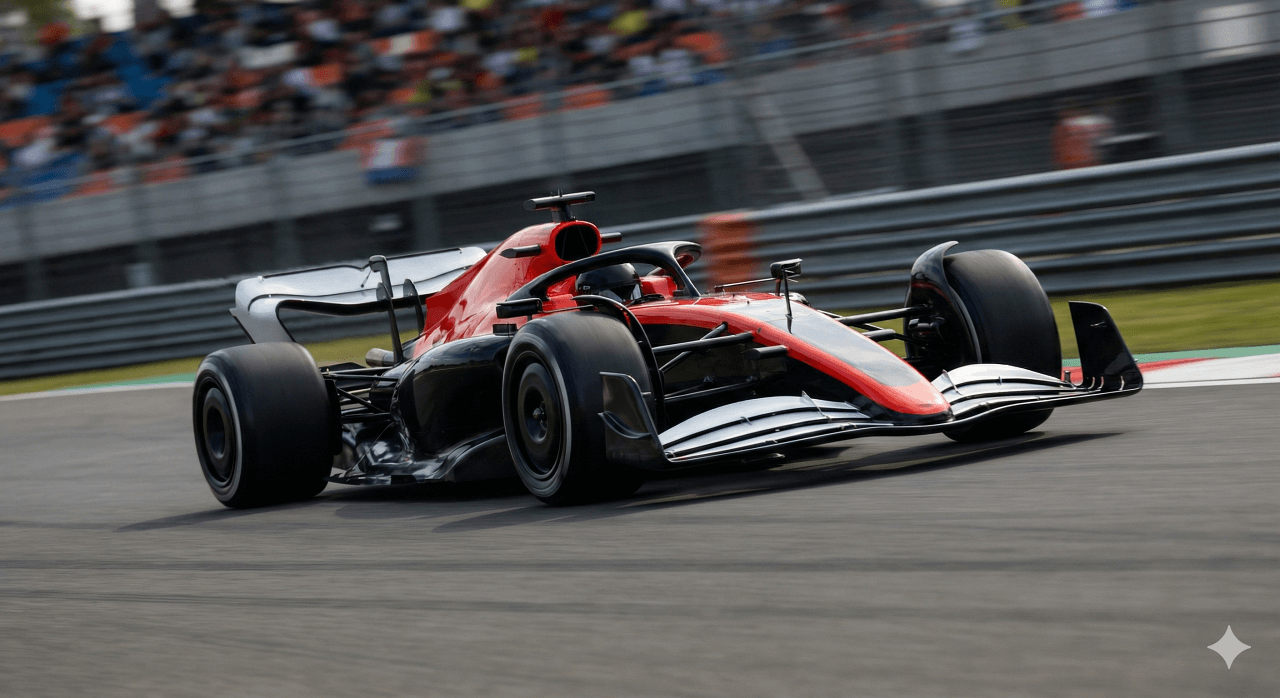
The most notable change in Aston Martin’s AMR23 is its front wing and underfloor design. The team has introduced a revised front wing that incorporates a new flap configuration designed to optimize aerodynamic efficiency. This update also includes an upgrade to the car’s underfloor tunnel, enhancing airflow management and, consequently, downforce generation.
Aston Martin engineers describe this change as a pivotal step towards achieving a greater balance across varying circuit conditions. The team aims to create a car that remains stable during cornering while promoting consistent tire behavior throughout different phases of a race. These structural modifications serve to increase overall aerodynamic efficiency, which is critical in minimizing drag and maximizing speed.
Intended Performance Impact
The focus of this update extends beyond raw speed. By altering the front wing and underfloor setup, Aston Martin aims to achieve a more favorable balance, which is essential for tire management. Improved aerodynamics should lead to reduced tire degradation during longer stints, a factor that could prove invaluable during races, particularly in tire-sensitive conditions.
Teams often shy away from making bold lap time claims in the waning months of the development cycle, and Aston Martin is no exception. However, the aim is clear: an improved balance will likely translate to more predictable handling, allowing drivers to push closer to their limits without the fear of losing control. This stability creates an avenue for quicker laps without placing excessive strain on the tires.
Competitive Context
In the competitive landscape of F1, every improvement is scrutinized against rival teams. Aston Martin finds itself in a midfield battle where marginal gains can be the difference between scoring points and missing out. Historically, they have been sandwiched between formidable opponents like McLaren, Alpine, and Alfa Romeo, all of whom are also vying for better performance.
The team hopes that these updates will edge them closer to the top half of the midfield, where consistent point finishes can be acquired. Rivals like McLaren have made strides in 2023, and Aston Martin is acutely aware of the need to up their game. The update should help them respond to the evolving challenges from teams that have made significant strides in aerodynamics and chassis development.
Season Implications
Looking at the broader picture, this update signifies a potential shift in Aston Martin’s development philosophy. By focusing more on aerodynamics and balance, the team may have reallocated resources from other aspects of the car to emphasize performance in these critical areas.
This decision indicates a long-term commitment to refining the AMR23 in preparation for both short- and long-term objectives. While immediate results are essential for maintaining competitive momentum, the engineers’ efforts will likely inform the design approach for future cars.
In the context of the current season, the potential for energy efficiency gained from these upgrades may also play a role in hybrid performance. As races progress, teams that can efficiently leverage the power unit alongside dealing with aerodynamic changes will have a significant edge.
What to Watch Next
As we approach the next set of races, fans should keep an eye on Aston Martin’s performance data to validate the anticipated gains from these updates. The upcoming circuits include tracks known for their varying corner configurations and tire demands, providing an ideal stage to assess the impact of the new front wing and underfloor designs.
In particular, the performances during practice sessions and qualifying rounds will be telling indicators of whether these improvements result in tangible lap time benefits. Fan observations during these critical phases will provide insight into how well the AMR23 adapts to the new specifications.
Frequent indicators like tire temperatures, wear rates, and overall balance will also guide how the car responds to varying track conditions. Keep your eyes peeled as the Aston Martin mechanics and engineer teams monitor and fine-tune throughout the upcoming race weekends.
In a season where performance margins are narrower than ever, the question remains: Will Aston Martin’s design philosophy reshape their standing within the midfield, or is this merely a stopgap as they aim for greater long-term improvements? As they charge into upcoming races, what specific metrics should fans monitor to gauge the success of these upgrades?
